

Watches, art, cars, jewelry, handbags, wine and more — cleaned, USD-normalized, and searchable.
Get Started →
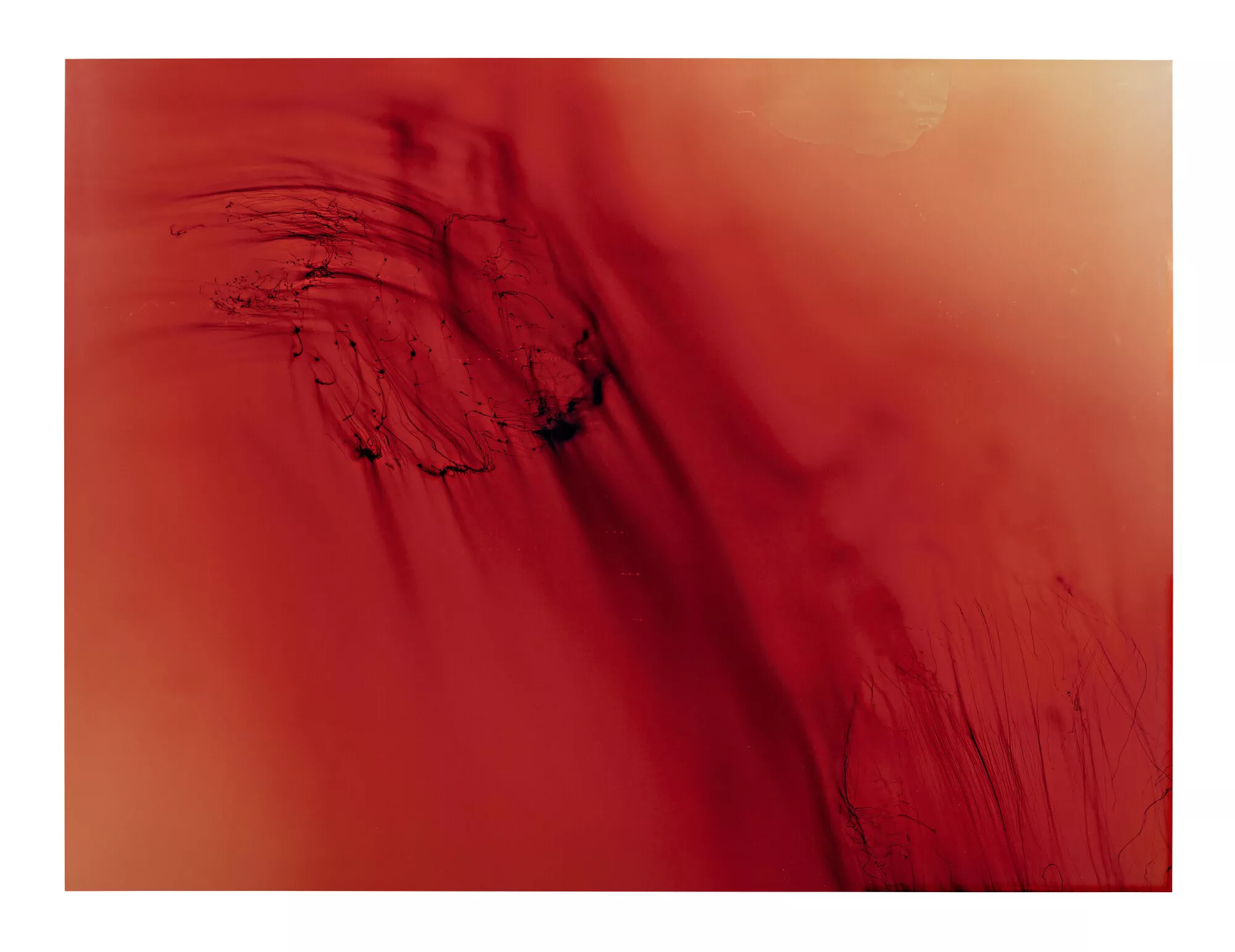
From left to right: Wolfgang Tillmans, Kate Sitting , 1996 (estimate: £12,000 – 18,000), Urgency XIX , 2006 (estimate: £120,000 – 180,000) and JAL , 1997 (estimate: £8,000 – 12,000). Christie’s is honoured to present Wolfgang Tillmans: The Way We Look , a collection of 15 photography works by renowned German artist Wolfgang Tillmans, all coming to market for the first time from a distinguished private collection.
With estimates ranging from £3,000 to £120,000, these iconic works represent a rare opportunity to acquire seminal examples of Tillmans’ oeuvre. An exhibition of the collection, open to all, will be on view at Christie’s King Street in London from 12 to 21 February 2025. Wolfgang Tillmans: The Way We Look captures a transformative period in art and culture, spanning the late 20th century and culminating in his pivotal works of the 1990s.
Reflecting on a decade of profound cultural shifts, including the fall of the Berlin Wall in 1989 and the formation of the European Union in 1993, the collection highlights Tillmans' deep connection to the transformative spirit of the era. These events, combined with his extensive career in London, shaped his groundbreaking Turner Prize win in 2000, where he became the first non-British artist and the first photographer to receive the prestigious award.
The majority of the works in the collection come from Tillmans’ most celebrated decade—the 1990s. Iconic examples include his ability to capture the beauty of the everyday, as seen in Summerstill life (1995), where a cluttered windowsill becomes a poetic composition, or Kitchen - after party ( 1992), in which a cluttered room strewn with rubbish and leftovers is transformed into a scene of sculptural elegance.
Works like JAL (1997) and Concorde (1996) document the era’s technological progress with precision and wonder. The collection also includes striking portraits of cultural icons, such as Kate Sitting (1996), where Kate Moss embodies the effortless cool of the 1990s. Tillmans’ approach to portraiture is diverse, ranging from intimate depictions of friends - like Joy Ray (1990) - to more conceptual explorations.
He remains a constant yet unseen presence in his work, acting as a guiding force—an ever-curious, ever-observant eye that shapes each composition. In me in the shower (1990), the artist steps into the frame himself, his 22-year-old figure softened by water droplets clinging to the camera lens and streaming down his face. Tillmans adjusts the level of staging in each image, allowing the interaction between photographer and subject to reflect the nuances of human relationships—how we observe, are observed, present ourselves, and pose.
One of the highlights in this collection is Urgency XIX (2006 – estimate: £120,000 – 180,000), the only 21st-century work included. This large-scale cameraless photograph exemplifies Wolfgang Tillmans’ groundbreaking abstract series, which redefines the photographic process. Using controlled light exposure on photosensitive paper, Tillmans creates ethereal trails of light that evoke the origins of photography as “light writing” while echoing the emotive power of abstract expressionism.
Produced shortly after winning the Turner Prize, these works mark a pivotal evolution in his practice, exploring the limitless possibilities of photography in an image-saturated world. Tillmans traces his origins as an artist to 1986, when he discovered the creative potential of a Canon laser photocopier in his hometown of Remscheid, West Germany. Treating the machine as a camera, he used it to manipulate and enlarge images from newspapers, magazines, and his own photography, marking the beginning of his experimental approach.
By 1989, he began publishing euphoric images of Hamburg’s club culture in i-Dmagazine, capturing the utopian ideals of unity and possibility that followed the fall of the Soviet Union. These early works led to his first major gallery show in 1993, staged by the gallerist Daniel Buchholz. Throughout the 1990s, Tillmans revolutionised the idea of photography as a concrete art form.
He curated his exhibitions and artist books with a non-hierarchical, yet highly intentional approach, arranging his prints alongside pages from magazines and his personal archive. These constellations of images, displayed on gallery walls or in publications, blended the ordinary with the sublime, presenting photography as a medium of both spontaneity and precision. Katharine Arnold, Vice Chairman 20th/21st Century Art and Head of Post-War and Contemporary Art, Europe, Christie’s London : “ This collection of Wolfgang Tillmans’ photographs not only captures a defining decade but also highlights his transformative approach to photography.
Through his lens, Tillmans explores intimacy, connection, and the beauty of everyday life, all while challenging the boundaries of the medium. Collectively, these works reflect his fascination with photography’s power to speak to both the individual’s role in society and the broader social fabric. We are thrilled to present this iconic collection in our upcoming Post-War and Contemporary Art Sales in London this season. ” An exhibition of Wolfgang Tillmans: The Way We Look will be open to the public at Christie’s King Street in London on the following dates: 12-14 February (9am-5pm) and 17-21 February (9am-5pm).
Post-War and Contemporary Art Online will be open for bidding from 26 February until 12 March 2025. The Post-War and Contemporary Art Day Sale will take place on 6 March 2025. Christie’s is proud to present an exciting calendar of 20th/21st Century Art Marquee Auctions in London in March 2025: 5 March - 20th /21st Century: London Evening Sale and The Art of the Surreal Evening Sale 6 March – Post-War and Contemporary Art Day Sale 7 March - Impressionist and Modern Art Day and Works on Paper Sale 26 Feb - 12 March – Post-War and Contemporary Art Online
(Press Release)