

Watches, art, cars, jewelry, handbags, wine and more — cleaned, USD-normalized, and searchable.
Get Started →
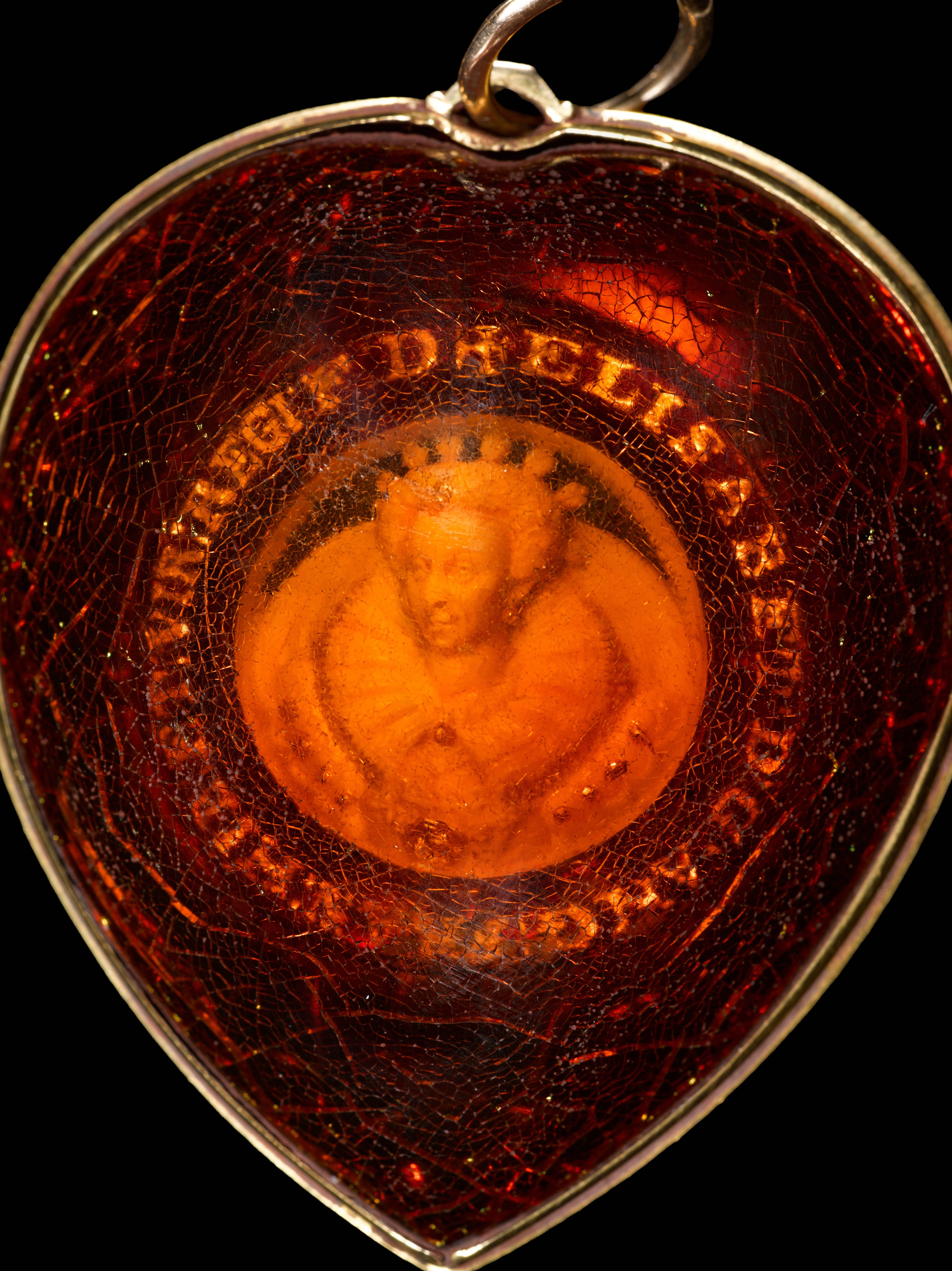
A rare pendant featuring a micro-carved portrait of Queen Elizabeth I will be offered at Sotheby’s in London on 1 July 2026 in Master Sculpture from Four Millennia, with an estimate of £100,000 to 150,000. Dating to around 1600, and therefore probably made during the final years of her reign, the work is thought to be a rare lifetime portrait of Elizabeth I in amber, then prized across Europe as “ Baltic gold.”
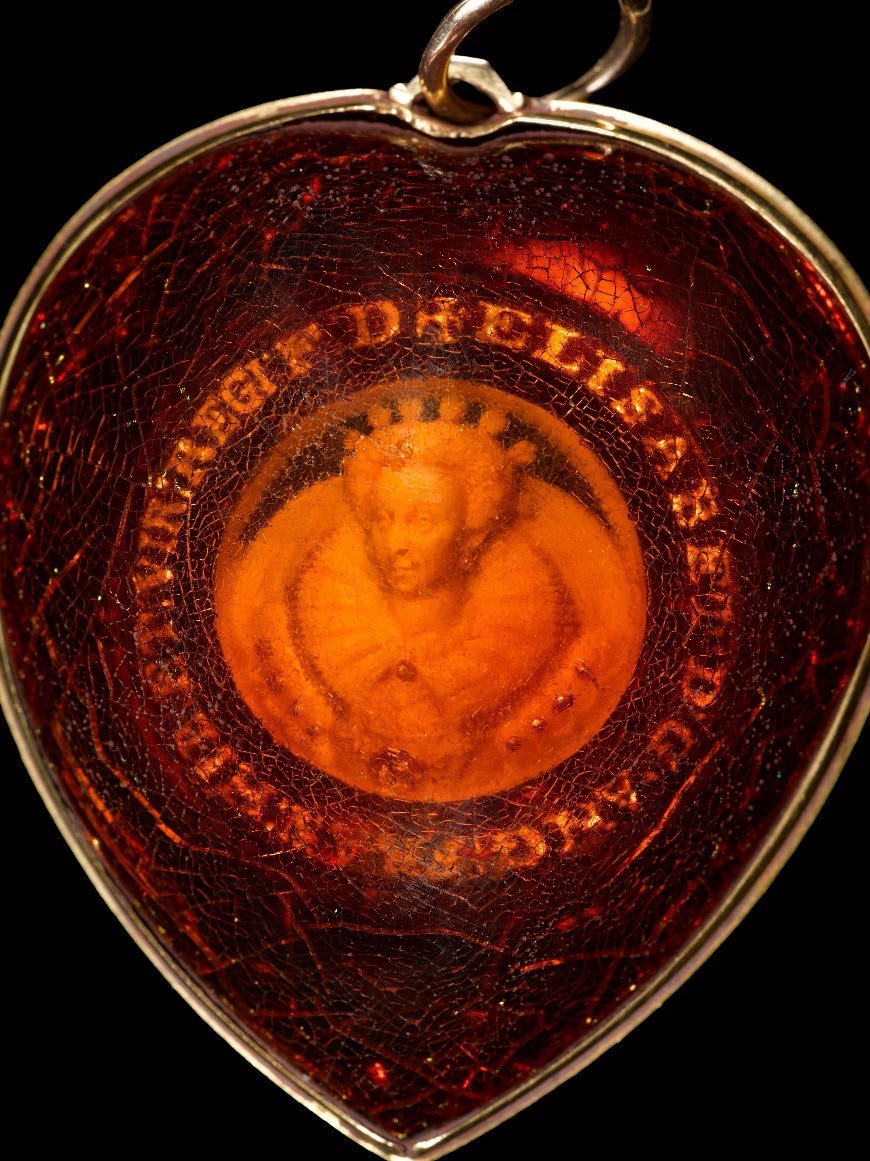
At its centre is a miniature of the monarch carved in white amber after a widely circulated engraving by Crispijn de Passe the Elder, itself based on a portrait drawn from life by Isaac Oliver circa 1590 to 1592. The cameo presents Elizabeth I in her assured maturity, her distinctive features and elaborate dress rendered with precision in an intimate, three-dimensional form. The crispness of the carved surface and the delicacy of its framing border point to a virtuoso technique, placing it among the most sophisticated amber objects of its kind.
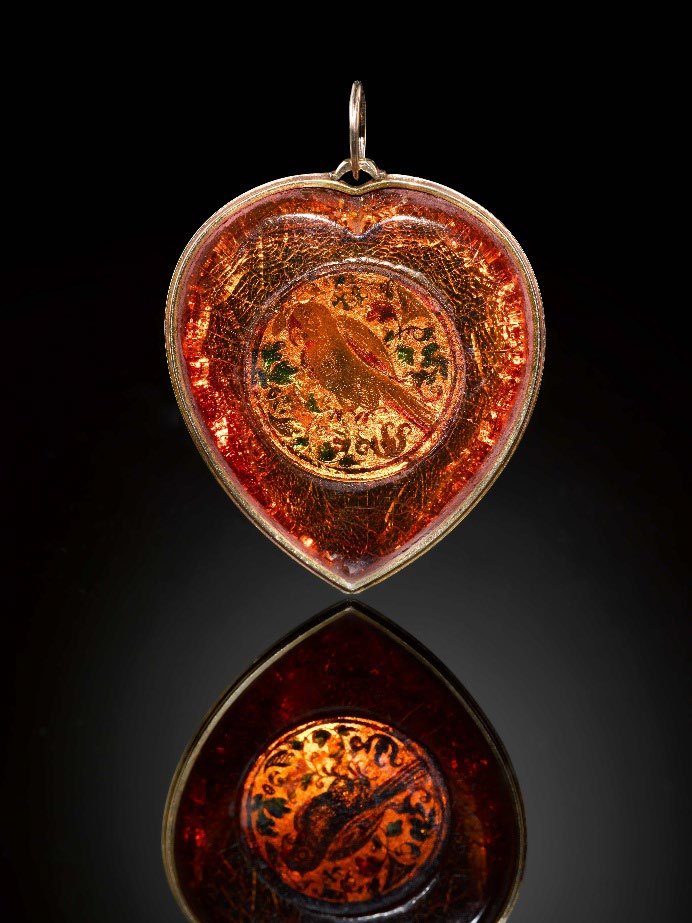
Perhaps its most virtuoso aspect is the way a concave lacuna has been cut from behind into the convex amber heart, so that the image of Elizabeth I, encased beneath a domed layer of translucent amber, is magnified in an ingenious optical illusion. In 1691, decades after the pendant would have been made, Johann Georg Keyssler invented magnifying glasses made from amber, also in Königsberg.
Amber held a powerful allure in the late sixteenth and early seventeenth centuries. Beyond its beauty, it was believed to possess protective and restorative properties, and such associations made amber objects especially prized at European courts, where they were collected as luxury treasures and exchanged as diplomatic gifts. Attributed to master craftsmen working in Königsberg on the Baltic coast, the pendant reflects the height of amber carving around 1600. Close parallels with a celebrated amber games board once owned by Charles I support an attribution to the court makers Hans Klingenberg or Georg Schreiber, with the refinement of the carving suggesting Schreiber in particular.
A popinjay, or parrot, appears on the reverse, a motif traditionally associated with the Virgin Mary and therefore with purity and virginity, an apt reference to the carefully cultivated image of the Virgin Queen. Geoffrey Munn, OBE, the jewellery specialist, historian and writer known as a presenter on the BBC Antiques Roadshow, described it as an extraordinarily rare emblem of Queen Elizabeth’s sovereignty, likely a gift from her own hand, its heart-shaped profile echoing her insistence that she was married only to the Kingdom of England.
The pendant boasts a distinguished later provenance. It was once part of the collection of John Malcolm, 1st Baron Malcolm of Poltalloch, one of Britain’s most important 19th-century collectors, before descending within his family and subsequently being acquired by the current owner.
(Press Release)