

Watches, art, cars, jewelry, handbags, wine and more — cleaned, USD-normalized, and searchable.
Get Started →
Two exceptional works by Claude Monet, painted nearly four decades apart, will headline Sotheby’s Modern and Contemporary Evening auction in London on 24 June. Together the paintings draw on two of the artist’s most enduring sources of inspiration: his water garden at Giverny and his first wife Camille.
Leading the sale is Nymphéas (1907), a luminous view of Monet’s water lily pond at Giverny, carrying the highest estimate ever placed on a work by the artist to come to auction in Europe (est. £30 million to £40 million). It is joined by Camille assise sur la plage à Trouville (1870), an intimate early portrait of Camille on the Normandy coast (est. £7 million to £10 million).
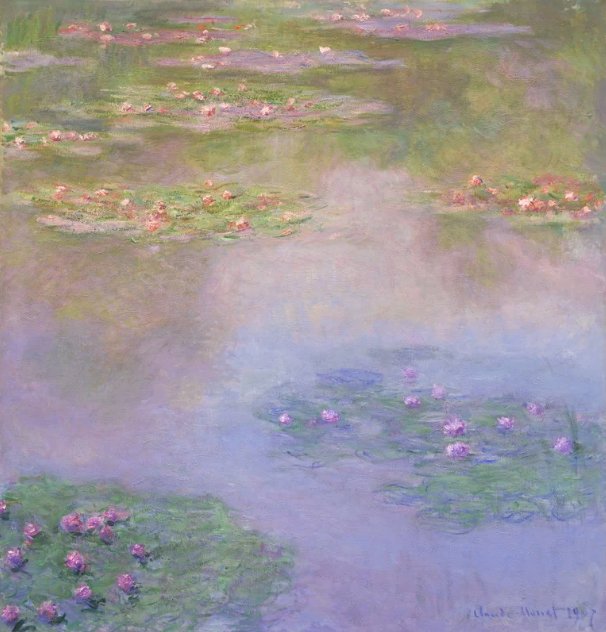
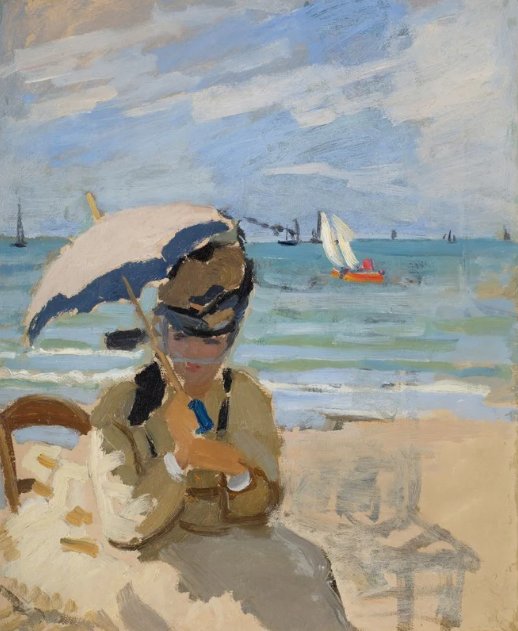
Offered from the same private collection, the two paintings share distinguished American provenance. Nymphéas remained in the collection of patron and collector Anne Bass for nearly four decades, while Camille assise sur la plage à Trouville formerly belonged to Peggy and David Rockefeller. Both works will now be presented in London for the first time.
Nymphéas belongs to the pivotal group of water lily paintings executed between 1904 and 1909, a period during which Monet radically transformed the language of landscape painting, dispensing with the horizon line and rendering the surface of his pond as a boundless field of light, colour and reflection. Executed in the coveted square format, the work anticipates later developments in abstraction and exerted a profound influence on generations of artists, including Mark Rothko, whose work will be exhibited alongside this canvas in the sale.
Painted in the summer of 1870 at a formative moment in the emergence of Impressionism, Camille assise sur la plage à Trouville stands as an example of Monet’s pioneering plein air practice. Works depicting his first wife are exceptionally rare: this is one of only a small handful of such portraits ever to appear at auction, and it has been shown publicly only once, in Paris in 1970, having never been exhibited or offered for sale in the UK. It remained in Monet’s possession until 1875, when it was acquired by the poet and critic Émile Blémont, an early advocate of Impressionism. Painted on the eve of the Franco-Prussian War, the scene is untouched by the political turbulence of the moment; shortly thereafter Monet fled to London with Camille and their son.
(Press Release)