

Watches, art, cars, jewelry, handbags, wine and more — cleaned, USD-normalized, and searchable.
Get Started →
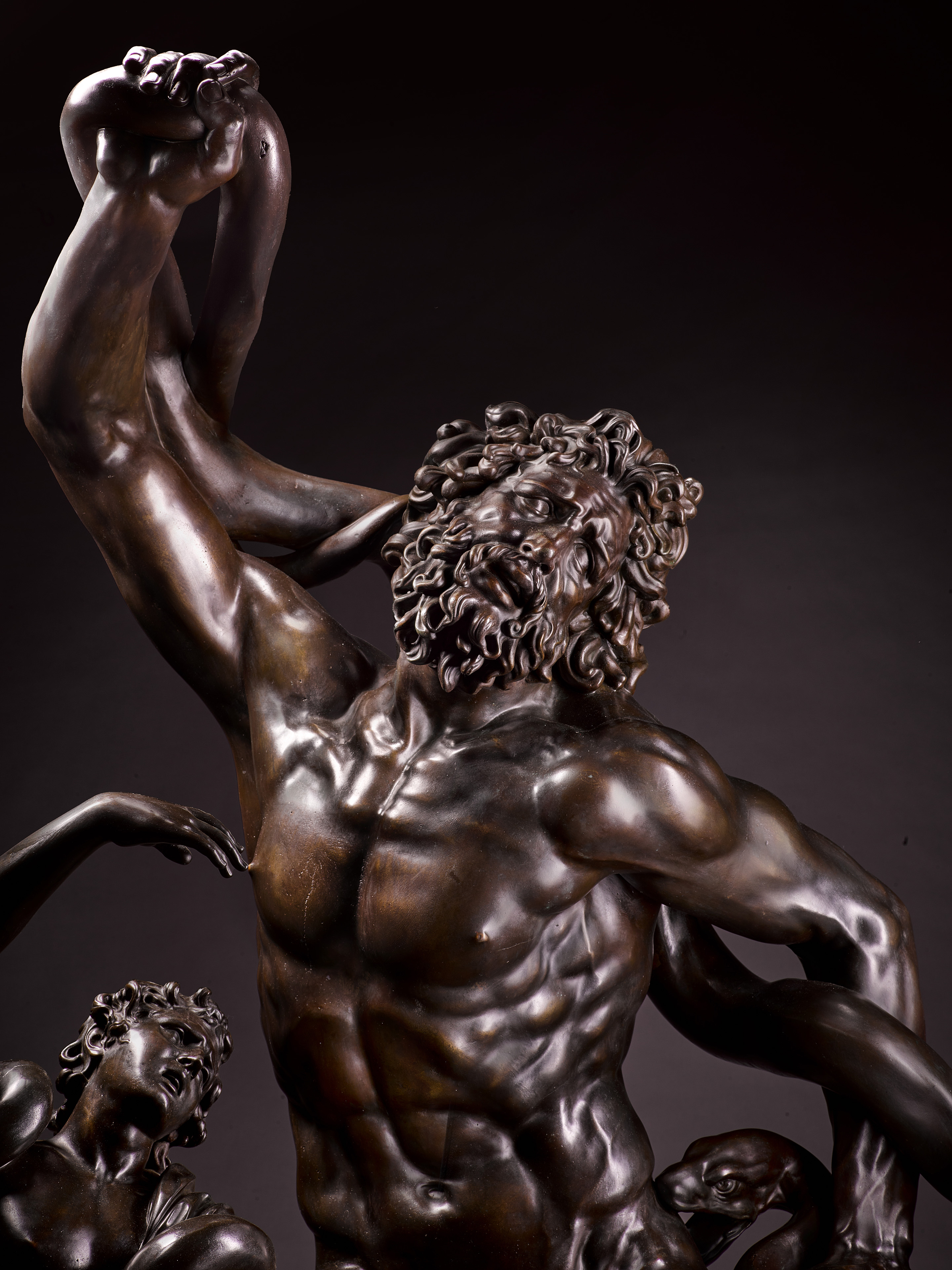
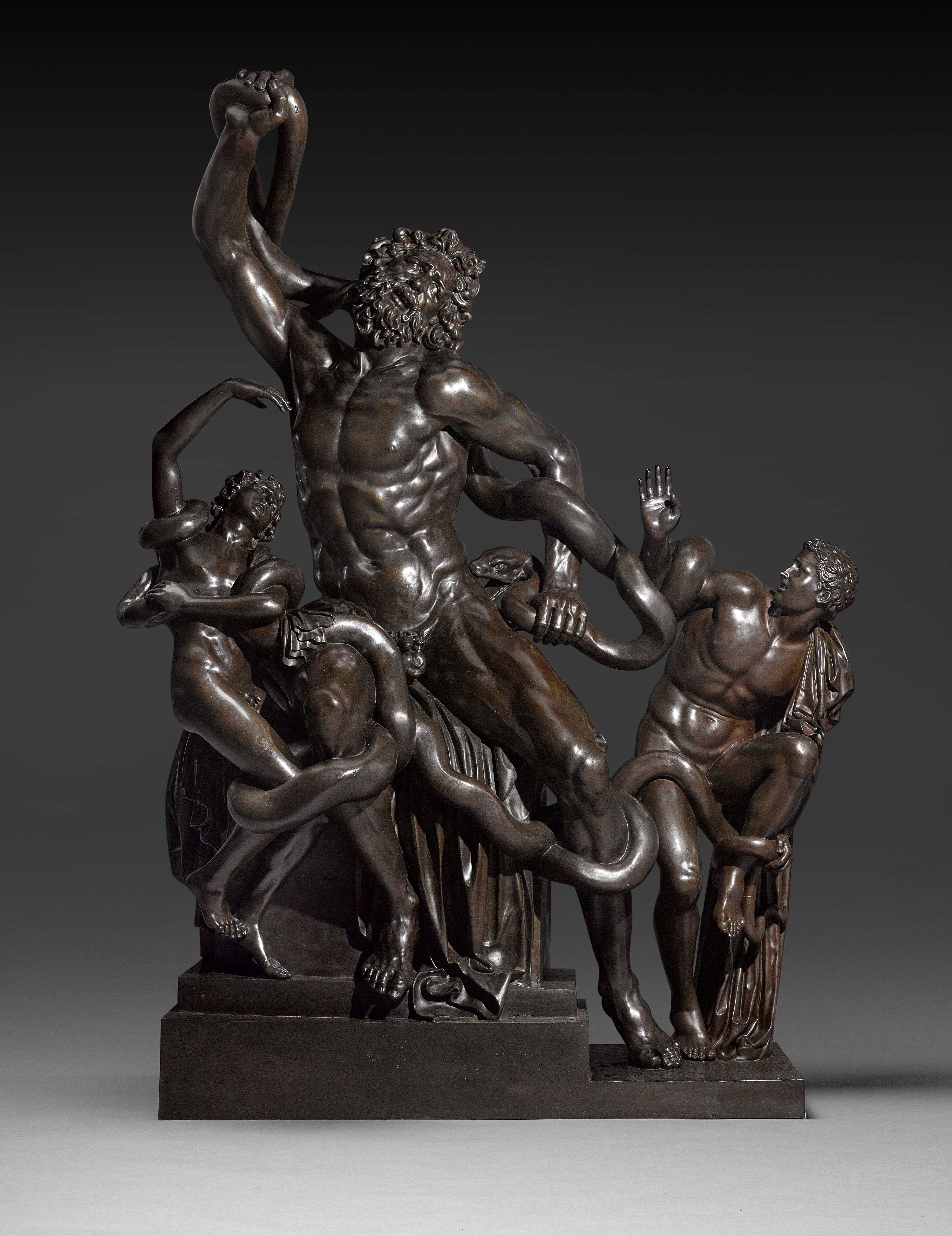
On 1 July in London, Sotheby’s will offer the Hamilton Laocoön, one of only four known full-scale versions in bronze cast up until the time it was made in Paris in 1817. The work is appearing on the art market for the first time in nearly 150 years, presented in a single-lot sale with an estimate of £2 million to £3 million, preceding Sotheby’s Old Masters evening auction.
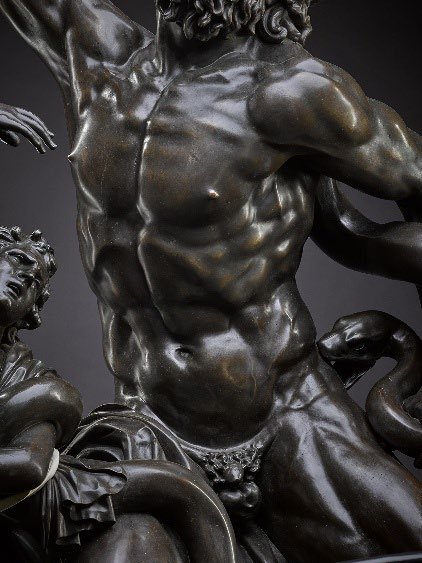
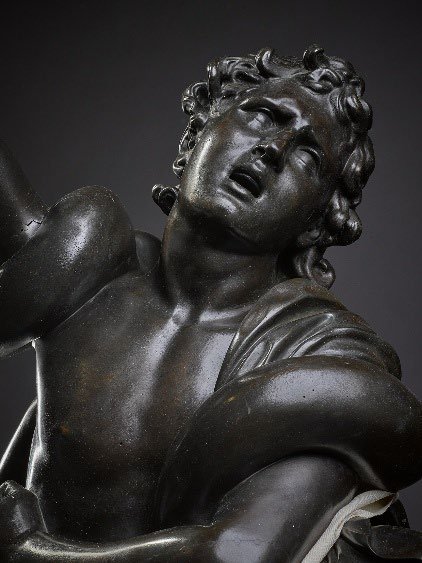
The bronze is a life-size cast of the ancient marble group of Laocoön and his sons, discovered in Rome in the early sixteenth century and recognised as the statue described by Pliny the Elder in his Natural History. Michelangelo, who attended its unearthing, considered it “a singular miracle of art”. Life-size versions in bronze are exceptionally rare given the scale and technical complexity of the composition.
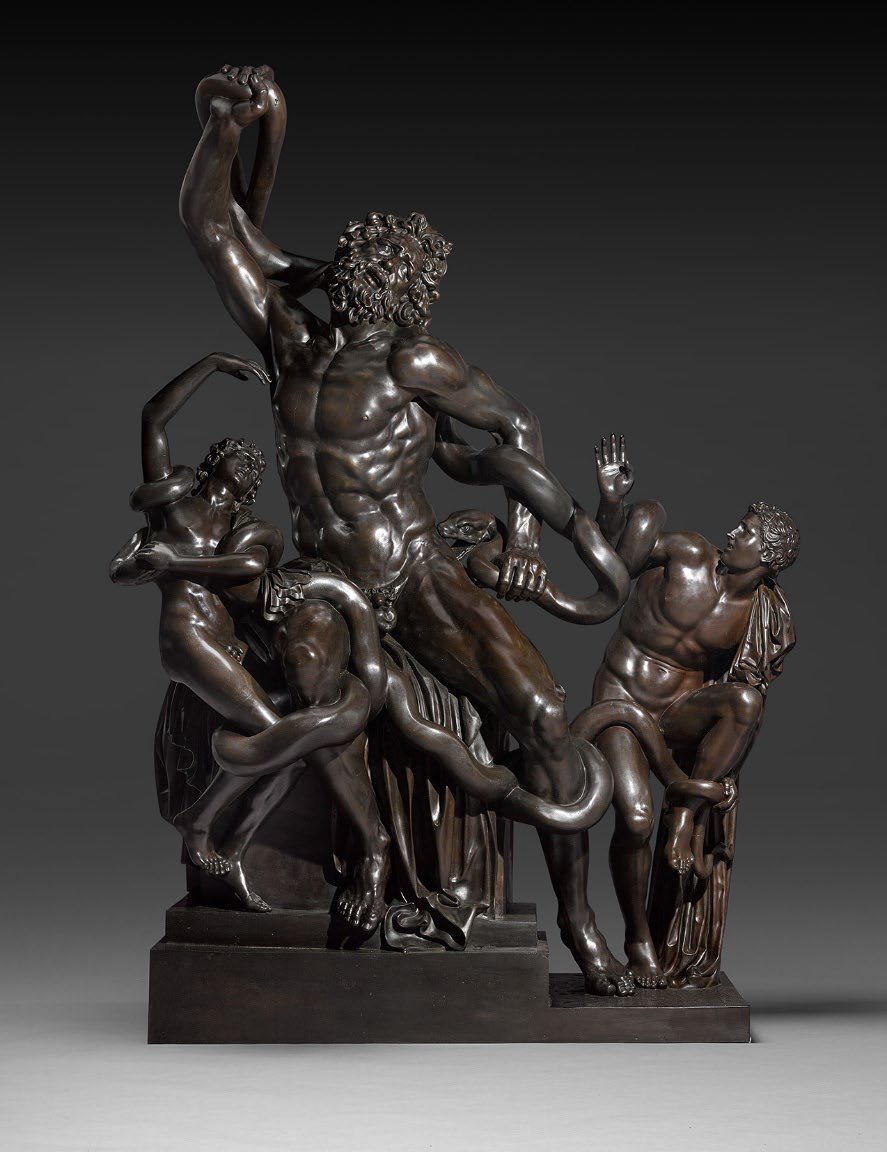
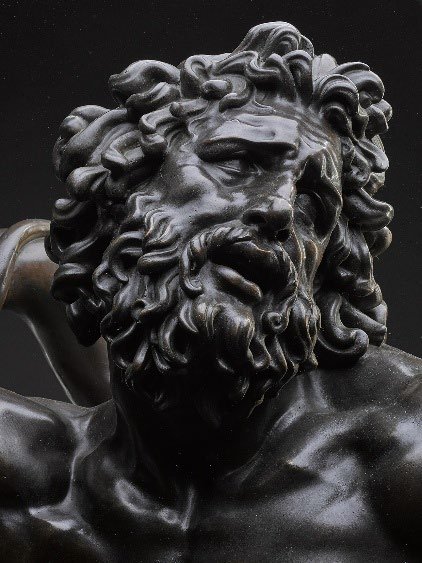
Made by Auguste-Jean Marie Carbonneaux (1789 to 1843), a contemporary of Antonio Canova, the cast was recognised on sale in 1821 and again in 1823, achieving a record auction price on each occasion. It was originally commissioned by George Watson Taylor (1771 to 1841) through the French-born British art dealer Alexis Delahante (1767 to 1837) at the sum of £2,000. Carbonneaux is recorded as having pioneered the sand casting technique used to create it, a method that permitted founders to produce larger and more complicated groups than the earlier lost wax technique allowed.
Offered for sale by Harry Phillips at 73 New Bond Street on 11 July 1821, the bronze was acquired by William Beckford (1760 to 1844), builder of Fonthill Abbey. It then appeared in the 1823 sale of Fonthill Abbey, where it was bought by Richard Temple Nugent-Brydges-Chandos-Grenville, 1st Duke of Buckingham and Chandos (1776 to 1839), who installed it in the North Hall at Stowe. At the celebrated Stowe sale of 17 August 1848, described in the catalogue as “one of the most important bronzes in this country”, the Laocoön was purchased for the Duke of Hamilton for 540 guineas.
The bronze thus entered the collection of the Dukes of Hamilton at Hamilton Palace, remaining there until the sale of the palace contents in 1882, one of the defining auctions of the nineteenth century. Achieving the then enormous sum of £503, it was bought by art dealer William Wareham, from whom Thomas Merthyr Guest (1838 to 1904) acquired it for his estate in Dorset. It has since passed by descent through the family of the Welsh ironmaster.
The composition has inspired generations of artists. In the 1820s William Blake made line engravings inspired by the model; in the twentieth century Alberto Giacometti made drawings of the group in ballpoint pen, and Roy Lichtenstein turned the ancient icon into a cartoon-like image. The Hamilton Laocoön will go on view to the public in Sotheby’s London galleries from 27 June to 1 July.
(Press Release)