



ALT/FNDATA Membership unlocks every market report and the self-serve dashboards. For teams, book a walkthrough with our data desk.

Player shows the Closing Price feed. Open the episode for this date on your platform of choice.
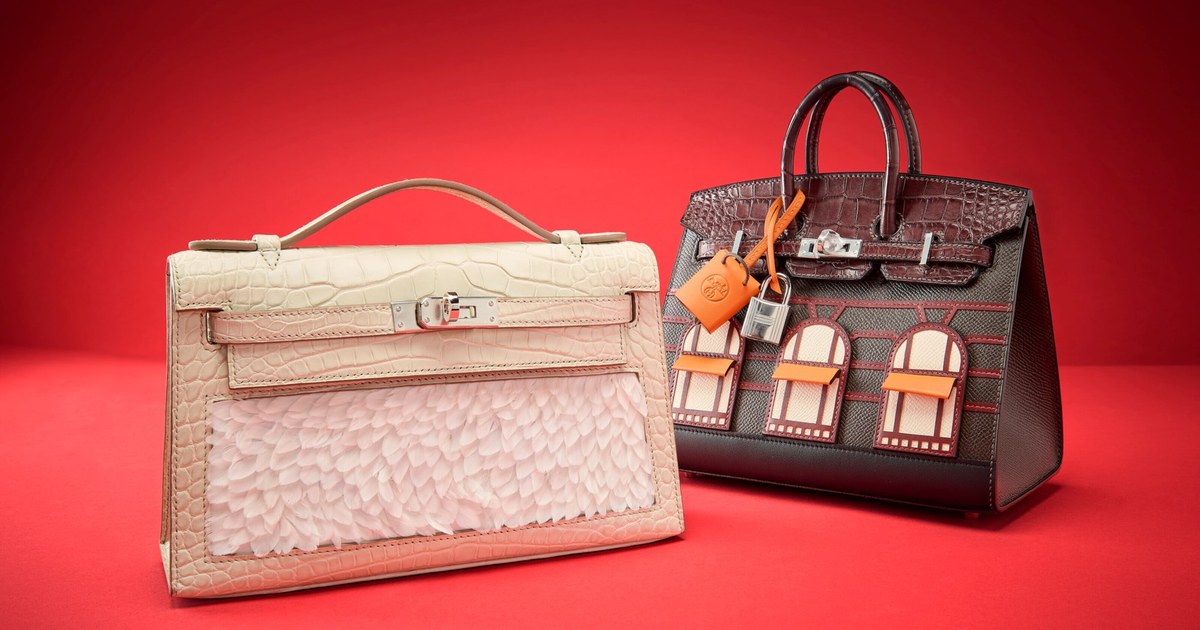
The data read on luxury and collectibles, for systematic investors. Today's signal: continuity. The second half opened where the first closed, the listed luxury names under pressure while the demand data pointed the other way. This week the divergence got a corporate stamp: Watches of Switzerland is abandoning its goal to more than double sales by 2028 because the market has deteriorated, even as Christie's set seven world records in London and doubled a jewelry estimate in Paris. The stores are trimming forecasts; the auction rooms are breaking records.
Good evening. It's Wednesday, July 1. I'm Sharon, and this is Closing Price from ALT/FNDATA, the data read on luxury and collectibles.
This episode of Closing Price is brought to you by ALT/FNDATA, the market intelligence platform for insights on the luxury markets and related public equities. With our data sandbox, you can work directly with the dashboards and datasets behind today's signals to keep your finger on the pulse of the market and drive your competitive advantage. Book a demo at altfndata.com/book.
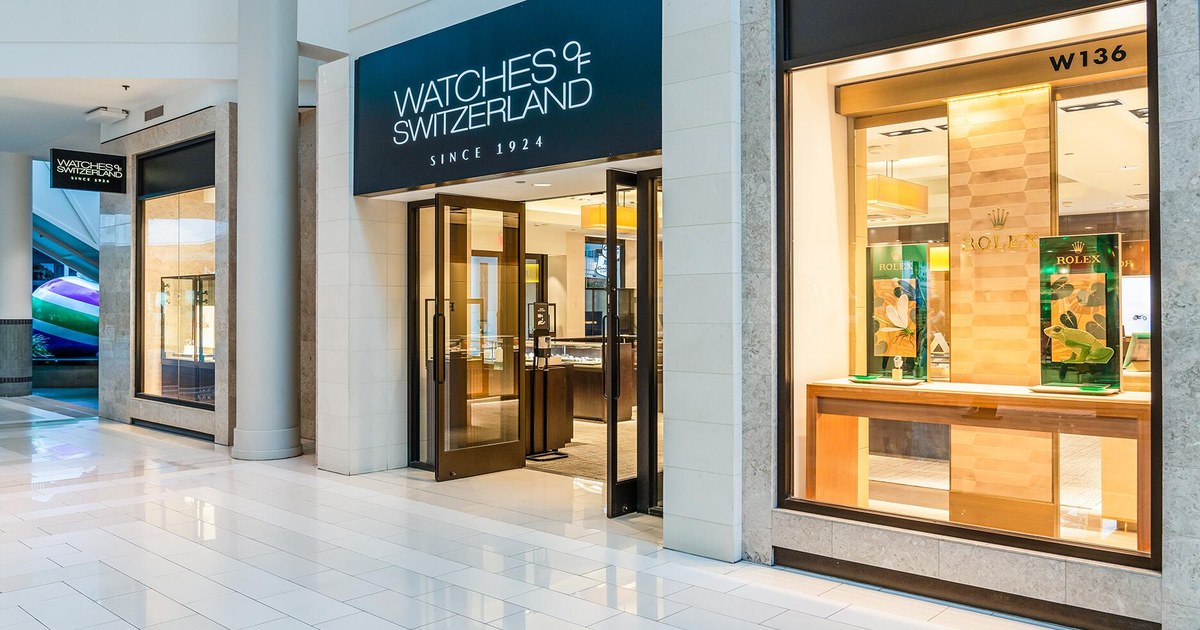
Today's signal is continuity. The second half of the year opened much as the first one ended, with the listed luxury names soft and the demand data pointing the other way. The mega-caps drifted lower once again, LVMH down about 0.6 percent, Hermès a fraction, and Kering off two-thirds of a percent, with Richemont and Burberry falling further, even as the broad market itself gave back a little of yesterday's gain. And this week the divergence acquired something new, a corporate stamp: Watches of Switzerland, one of the biggest sellers of Rolex in the world, is stepping back from its goal to more than double sales by 2028, because the market, in its own words, has deteriorated since it set that target, the listed side of luxury conceding plainly that the retail boom has faded. And yet, in the same handful of days, Christie's set seven world auction records in London and doubled its estimate on a jewelry sale in Paris, so that even as the stores trim their forecasts, the auction rooms keep breaking records, the same split carried straight into a new quarter.
It was the first session of the third quarter, and a cautious one. The broad market gave back a little of its recent advance, the Nasdaq easing about 0.7 percent and the S&P a touch lower, while oil slid almost 3 percent and bond yields ticked higher. Against that backdrop, the European luxury complex was mixed to soft. The giants eased once more, LVMH down about 0.6 percent, Hermès a fraction, and Kering off two-thirds of a percent, with Richemont down 2 percent and Burberry the weakest, off almost three and a half. The curious exception was Watches of Switzerland itself, whose shares rose almost 4 percent on the very day it walked back its ambitions, its investors, it seems, preferring an honest plan to an impossible one. Across the Atlantic, the US-listed names told a similar story, Tapestry, the owner of Coach, slipping almost 2 percent, Capri, which owns Versace and Michael Kors, falling more than 2, and the watchmaker Movado dropping nearly 4, with only Birkenstock and Canada Goose edging higher, so that on both sides of the ocean the listed luxury names spent the first day of the new half drifting lower.
The demand side, meanwhile, did exactly what it has done all year, and set fresh records. Christie's Classic Week evening sales in London made around 64 million dollars and set seven world auction records, led by a Titian at about 22 million dollars, following last week's Paris jewelry sale, which doubled its estimate, and London's biggest auction haul in a decade. Through six months of equity turbulence, the prices collectors actually pay have done nothing but climb.
So the read carries straight over from June into July, and today it hardened. On one side, a listed retailer publicly abandoning a growth target because demand cooled. On the other, an auction house setting seven records in a single week. The equity tape trades on macro and flows. The demand it is supposed to represent shows up in the saleroom. The test into the rest of the half is the same one. If auction prices stay at these highs, the beaten-down luxury stocks are simply too cheap, and they will recover. If auction prices start to fall, then the stock weakness, and Watches of Switzerland's climb-down, were the early warning of weaker demand to come. Tonight, the auction rooms are still winning the argument.
For the data behind today's signals, the ALT/FNDATA data sandbox gives you hands-on access to our market dashboards and proprietary datasets, so you can test the divergence yourself. Book a demo at altfndata.com/book, or reach us anytime at info@altfndata.com.
That's Closing Price for Wednesday, July 1. ALT/FNDATA provides data and analysis, not investment advice. We're back tomorrow. I'm Sharon, from ALT/FNDATA.