


Every figure on the show comes from 13M+ cleared auction results — searchable, USD-normalized, updated daily.
Get Started →
ALT/FNDATA Membership unlocks every market report and the self-serve dashboards. For teams, book a walkthrough with our data desk.
Player shows the Closing Price feed. Open the episode for this date on your platform of choice.
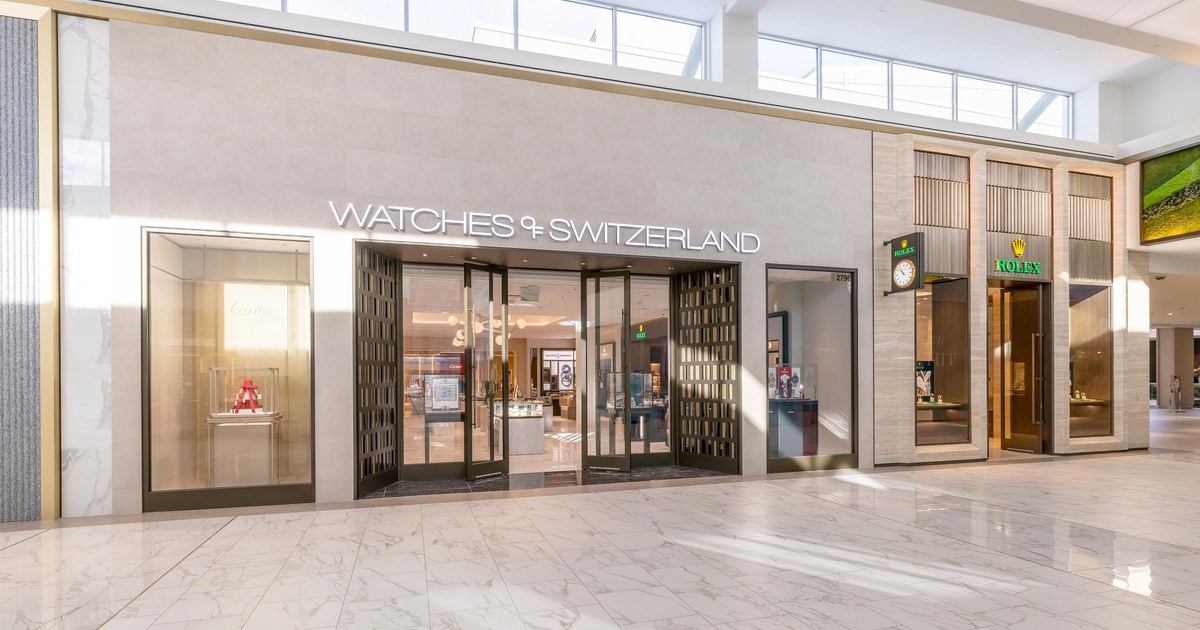
Your weekly read on the luxury and collectibles markets and the public companies behind them. This week the split we have tracked all quarter held wide open: the listed luxury names lagged even as the broad market climbed to new highs and the auction rooms set record after record. Kering, the group behind Gucci, had the worst of it, down about 7 percent. The one meaningful gainer was Watches of Switzerland, one of the world's largest sellers of Rolex, and the reason it rose is the story of the week. It rose because it told the truth, scrapping its goal to more than double sales by 2028 and conceding the market had cooled, and investors rewarded the honesty with a 6 percent gain. Thursday brought a one-day rally that briefly moved the stocks in step with the saleroom, but by Friday's close the divergence was right back where it started.
Good evening, and welcome to the weekend. It's Friday, July 3. I'm Sharon, and this is Closing Price from ALT/FNDATA, your weekly read on the luxury and collectibles markets and the public companies behind them.
Here is the signal for the week, and it is the same one we have been following all quarter, with one revealing twist at the end. Think of it as a split screen. On one side sit the public companies that sell luxury, whose shares spent the week sliding even as the wider stock market climbed to new highs. On the other side sit the goods themselves, the paintings and the watches and the handbags, which spent that very same week breaking record after record in the auction rooms. That gap, between the falling share prices and the real, live appetite for these objects, is what we call the divergence, and this week it held wide open. The worst of it was Kering, the French group behind Gucci, whose stock fell about 7 percent, though the softness ran right across the sector. The one striking exception, and the twist worth sitting with, was Watches of Switzerland, one of the largest sellers of Rolex in the world and the only luxury name to rise meaningfully all week. What makes that rise so interesting is the reason behind it, because the company had just done the very thing its peers keep avoiding, which is to admit the slowdown out loud. It scrapped its target to more than double sales by 2028 and conceded that the market had cooled, and rather than punish the retreat, investors rewarded the candor and sent the shares up more than 6 percent. For a single day on Thursday the whole complex rallied and briefly moved in step with the saleroom, but one strong session does not undo a soft week, and measured from Friday to Friday the split held, with the market rising and the records falling while most of the luxury names still closed lower.
This episode is brought to you by ALT/FNDATA, the market intelligence platform for the luxury markets and related public equities. Unlock dashboards, reports and proprietary data with a membership at altfndata.com/membership.
Start with the equities, where the whole week can be read in the gap between the laggards and the leaders. Kering, as I mentioned, was the clear laggard, down about 7 percent to close at 248 euros, still weighed down by the long, difficult effort to turn Gucci around. The rest of the European names were mixed to soft. Swatch fell almost 3 percent, Burberry about 2.5, Richemont around 1.5, and LVMH, the giant that anchors the whole sector, finished essentially flat at 496 euros. Hermès was the bright spot among the majors, the one house that never seems to catch cold, up nearly 1 percent to 1,641 euros. And Watches of Switzerland led everything, climbing more than 6 percent on the week to 752 pence as its reset rally carried into a second day.
A quick word on the American names, because the US market was closed on Friday for the Independence Day holiday, so their week effectively ran Monday to Thursday, and it was a soft one. Movado fell about 5 percent, Ralph Lauren about 3, and Tapestry and Capri each a point or two. The lone exception was Estée Lauder, the beauty giant, up nearly 4 percent as investors bet its long turnaround is finally taking hold.
Now the backdrop, because it is exactly what makes the luxury lag stand out. This was an up week for the broad market. The Nasdaq rose about 2 percent and the S&P 500 close to 1.8, both lifted by a jobs report, released Thursday ahead of the holiday, that came in soft enough to keep the prospect of rate cuts alive without hinting at any real weakness in the economy. And gold did the loudest thing of all, closing near a fresh record of 4,187 dollars an ounce, up more than 2.5 percent on the week, as buyers kept reaching for the one asset that has done nothing but climb. So the market rose, gold set another record, and still the luxury names could not keep up.
Now the part the tape never shows, and this week it was loud. While the share prices sagged, the appetite for the actual goods had one of its strongest weeks of the year. At Christie's, during what the trade calls Classic Week, the Old Masters sales set 7 world auction records in a single evening, led by a painting from Titian, the great Venetian master of the Renaissance, that sold for around 22 million dollars, the most ever paid for the artist at auction. In the collectibles market, a single bottle of Clase Azul tequila, one that first sold in a Mexican boutique for 250 dollars, changed hands at Sotheby's for 35,000 dollars, making it the most expensive tequila ever sold. And in the boardroom, Chanel reached back nearly two centuries to buy Charvet, the storied Parisian shirtmaker on the Place Vendôme, choosing to own a piece of irreplaceable craftsmanship outright rather than chase volume. Records at the very top of the market, a marquee house spending real money on heritage, and a retailer quietly conceding the slowdown, all inside the same 5 days.
So put the week together and the picture comes into focus. The equity market spent five days treating luxury as a fading consumer story, and on the raw numbers it had a point, because the sector genuinely did lag. But the people who actually buy these things spent those same five days setting records and paying up for craft.
The sharpest lesson of the week came from Watches of Switzerland, because the only luxury stock that meaningfully rose is the one that stopped promising growth it could not deliver.
That's it on Closing Price for today, Friday, July 3.
I'm Sharon, from ALT/FNDATA.
Subscribe for notifications, and if you love this episode please give us a five star rating on Spotify and Apple Podcasts.
I'll talk to you in the next episode. Thank you for listening.