

Watches, art, cars, jewelry, handbags, wine and more — cleaned, USD-normalized, and searchable.
Get Started →
Sotheby’s has announced four seldom-seen paintings by Jean Dubuffet, Jean Fautrier and Wols for its spring 2021 sales, all from a single European private collection and held in the same family for around 70 years. Executed between 1944 and 1947, the works date from a period when all three artists remained relatively unknown, and none has been exhibited publicly for more than 30 years. They will be offered in Sotheby’s London cross-category Evening Sale on 25 March, paired with an Impressionist & Modern Art auction in Paris the same day.
The paintings are united by their connection to Galerie René Drouin, one of the most important galleries in post-war Paris, where all but one were exhibited during the 1940s. The consignor’s late father assembled the collection with the help of the critic Michel Tapié, a pioneer of “ Un art autre”. Fautrier’s Tête d’otage no. 15 appeared in his 1945 exhibition at the gallery, the Dubuffet in his second show there in 1946, and the Wols in his 1947 exhibition of oil paintings.
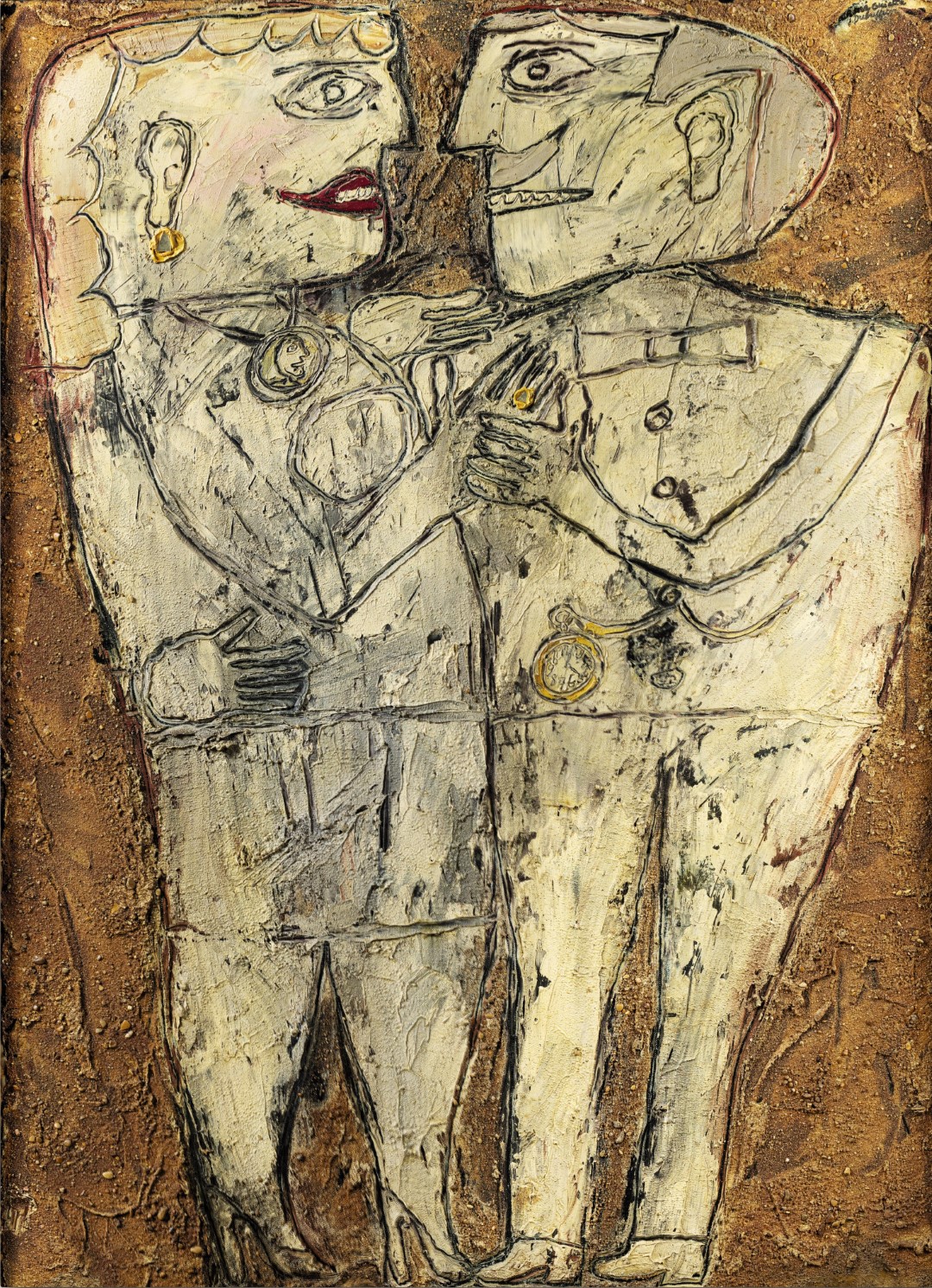
Dubuffet’s Le Cavalier aux Diamant (1945, est. £2.5 million to £3.5 million) was included in the artist’s second-ever exhibition, at Galerie Drouin in 1946, which sold out within days of opening despite the controversy over its raw compositions. The work depicts two young lovers at the moment of their engagement, with a piece of mirror set in for the woman’s ring.
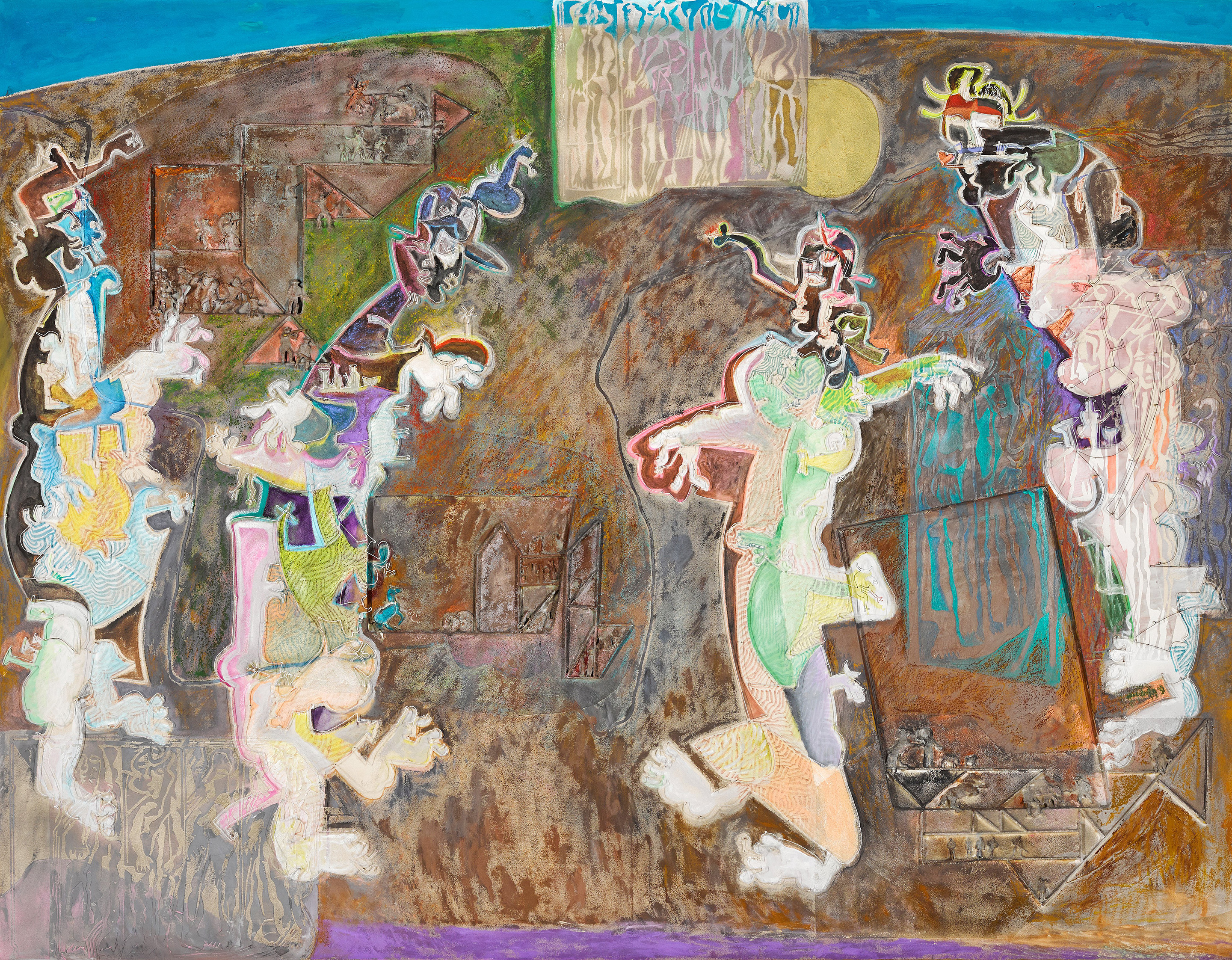
Wols’s La Turquoise (1947, est. £1.2 million to £1.8 million) comes from his first series of paintings and was shown at Galerie René Drouin in 1947; a work of the same title is held at the Centre Pompidou. Wols is recorded to have painted only about 80 canvases, of which 25 have appeared at auction. In 2019, his Vert Strié Noir Rouge (Green Stripe Black Red) sold at Sotheby’s for £4.5 million against an estimate of £400,000 to £600,000, a record for the artist.
The two Fautrier canvases, Corps d’otage (1944, est. £500,000 to £700,000) and Tête d’otage no. 15 (1945, est. £350,000 to £450,000), belong to his Otages (Hostages) series, painted secretly during the German occupation and shown at the gallery in November 1945, shortly after the first published reports of the concentration camps. Fautrier withheld his signature and dates from the works until the exhibition for fear of recrimination.
The 1945 Fautrier show left a lasting impression on both Dubuffet and Wols, who attended. Dubuffet later sought to emulate its rawness, experimenting with materiality and rejecting traditional ideals of beauty and skill, while Wols’s work of the period came as a direct expression of his experience of the war.
(Press Release)