


Every figure on the show comes from 13M+ cleared auction results — searchable, USD-normalized, updated daily.
Get Started →
Price Check values a single luxury item against millions of real auction results, in seconds. Or go deeper with our luxury market reports.
Player shows the Luxury Spending feed. Open the episode for this date on your platform of choice.
Your weekly roundup of where the money is going in luxury. This week: a record-breaking stretch for watches and jewelry, Rolex doubling down on retail, and a clear split in how people are spending — trophies booming while the middle of the market cools.
Hello and welcome. It's Wednesday, June 17. I'm Sharon, and this is Luxury Spending from ALT/FNDATA, your weekly roundup of where the money is going across the luxury market. And what a week it has been, especially for watches and jewelry. Let's get into it.
This episode of Luxury Spending is brought to you by ALT/FNDATA, the market intelligence platform for insights on the luxury markets and related public equities. With a membership, you can unlock access to dashboards, reports and cutting-edge insights to keep your finger on the pulse of the market and drive your competitive advantage. Learn more at altfndata.com/membership.
We have to start with watches, because the last seven days may be the strongest stretch the auction market has ever seen. Phillips held the highest-grossing watch auction in US history at its New York sale, 75.8 million dollars, with every single lot sold. The headline result was an F.P. Journe that went for 13.9 million dollars, a new record for a watch by an independent watchmaker.
And the independents kept making news all week. At that same Phillips sale, four watches by the independent maker Kari Voutilainen each broke the one million dollar barrier. And a celebrity lot drew attention too: a F.P. Journe once owned by the quarterback Tom Brady sold for 960,000 dollars. The takeaway is clear. Collectors are paying record sums not just for the big Swiss maisons, but for the small independent workshops that make only a few hundred watches a year.
The week also brought a major loss. Philippe Stern, the former president of Patek Philippe and the man behind the Nautilus, died at the age of 87. He was one of the most influential figures in modern watchmaking, and the tributes across the industry this week have been a reminder of how much the modern auction market owes to the brand he built.
Now to the biggest name in watches, Rolex, which made two kinds of news this week. First, on price: Rolex raised the prices of its gold watches by about 5 percent, its second increase this year, as the gold price keeps climbing to records. And second, on retail. The retailer Bucherer has opened three new Rolex boutiques in the space of a month, including what it says is the highest Rolex boutique in the world. At a moment when a lot of luxury demand has cooled, Rolex and its retail partners are betting big on physical stores. That tells you they expect demand for the crown to keep growing.
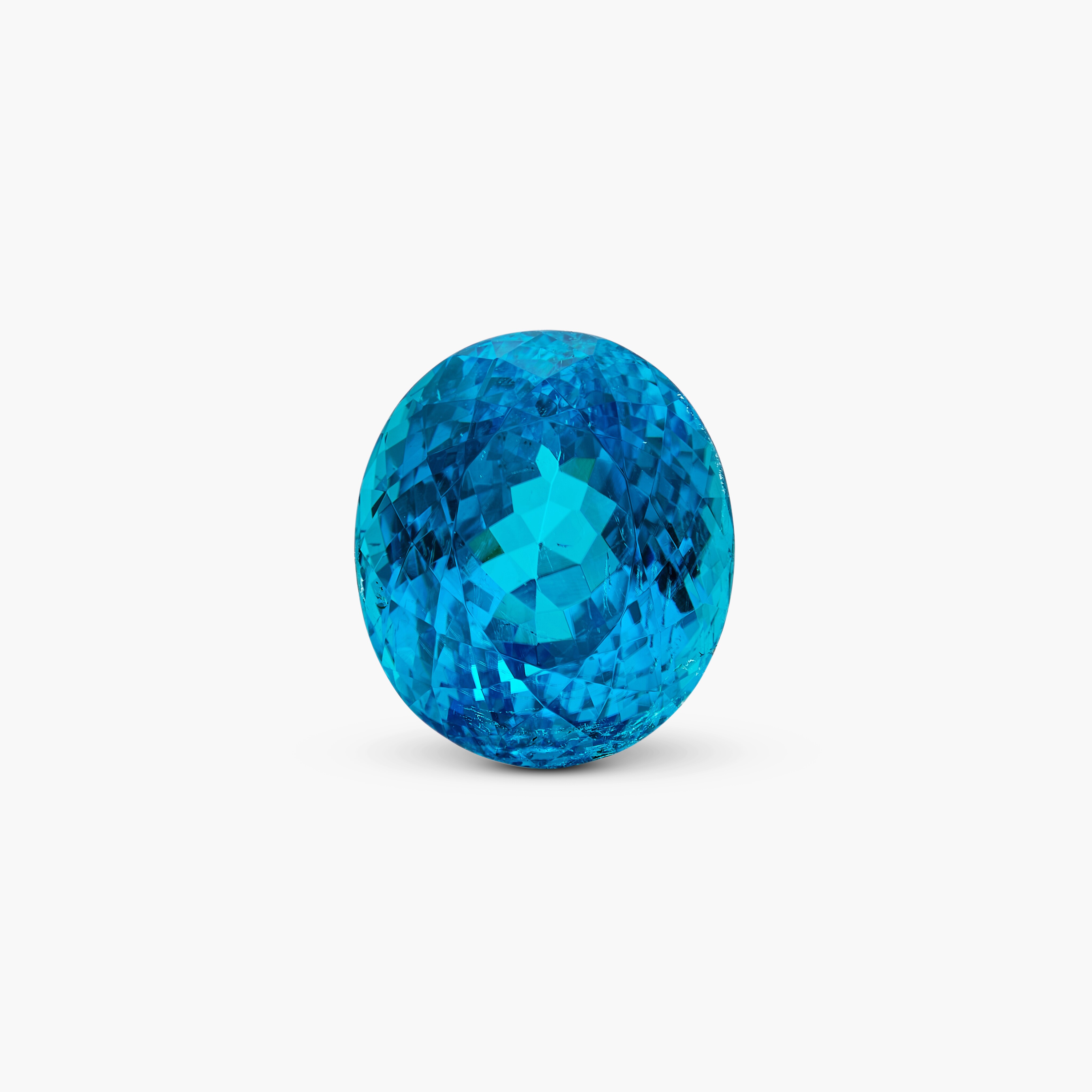
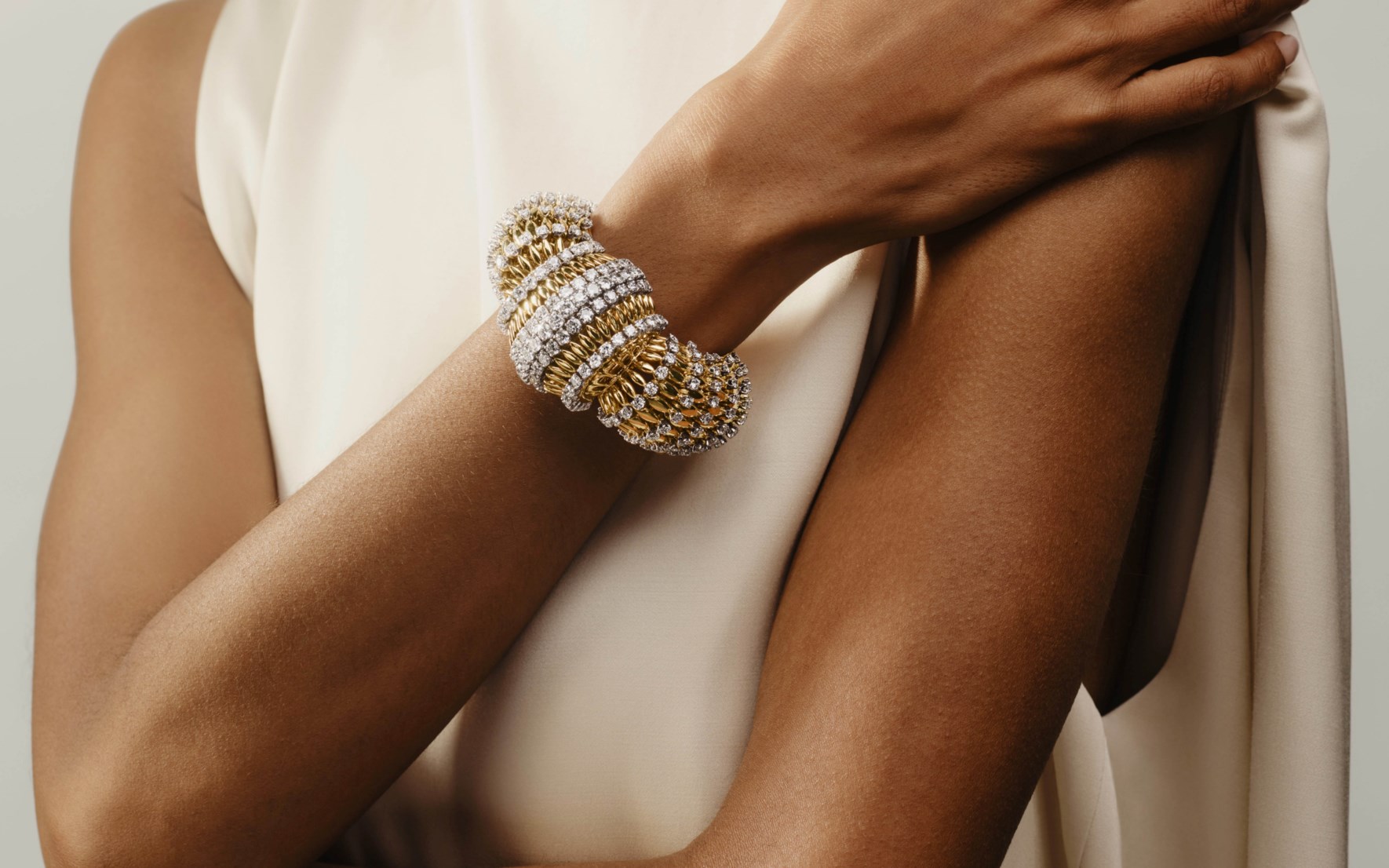
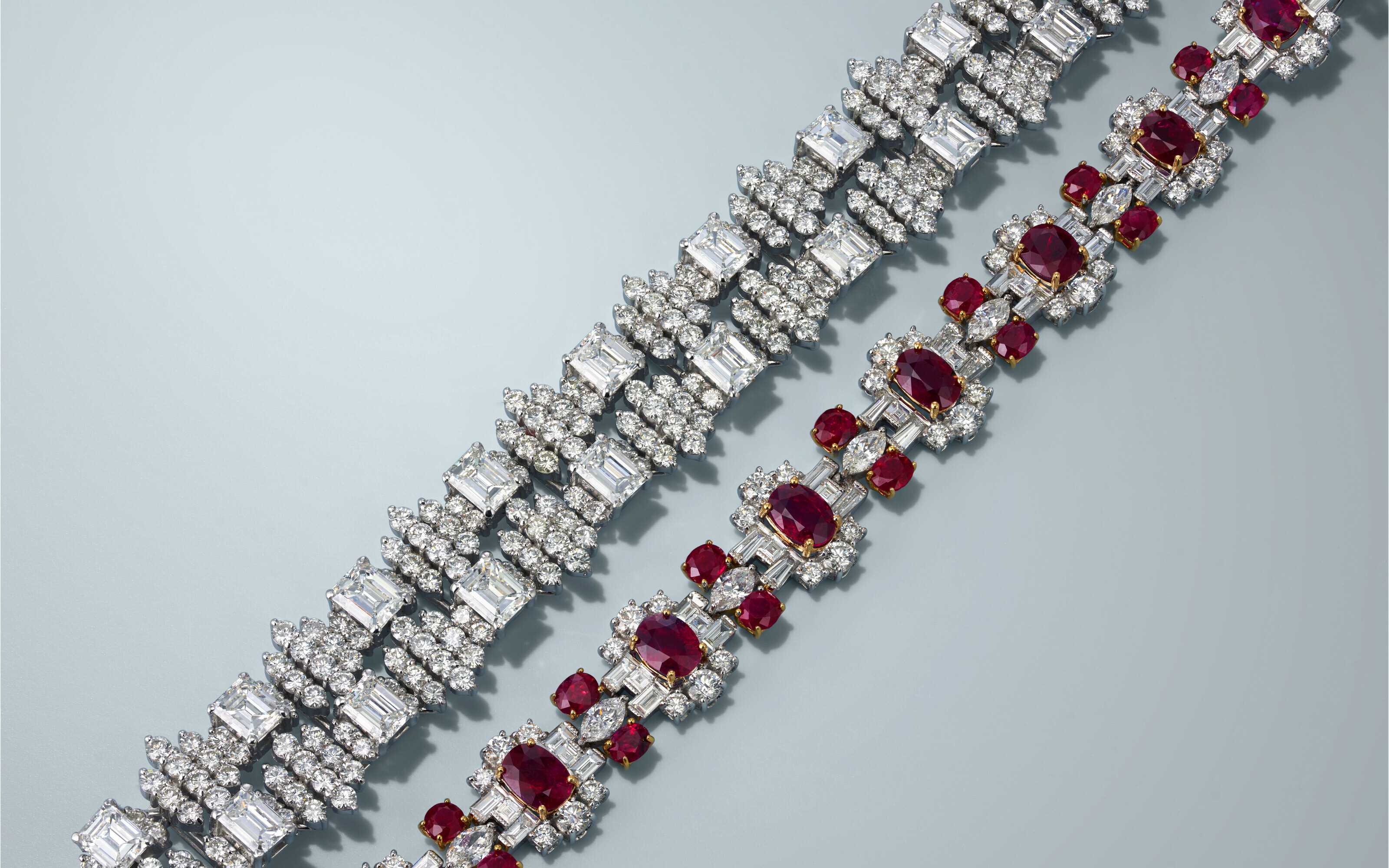
The jewelry market told the same story as watches: the very top is on fire. Christie's Magnificent Jewels sale in New York totaled 49.7 million dollars and was 100 percent sold by lot. It was led by a 31.62-carat diamond called The Azure Blue, which sold for more than 8 million dollars.
And these results are not one-offs. Earlier this spring, the same kind of Christie's jewels sale in Geneva produced a Chaumet sapphire ring that sold for 3.5 million dollars. That is one of the top colored-stone results in the ALT/FNDATA database over the past 90 days, a sign that demand for trophy gemstones runs deep.
There was talent news in jewelry too. Marie-Laure Cérède, who was most recently the creative director for watches and jewelry at Cartier, is moving to lead Chanel's jewelry creation studio. She spent about 14 years leading artistic direction at Harry Winston before returning to Cartier in 2016, so this is a heavyweight hire for Chanel. She starts in October 2026. And Piaget unveiled a new 65-piece high jewelry collection, called Extraleganza, built around the gold and the gem-set dials of its ultra-thin watches.
So the top of the market is booming. But step down from the trophies, and the picture is more mixed, and that tension is really the story of luxury spending right now.
The clearest example is handbags. The Wall Street Journal asked this week whether the luxury handbag's heyday is over, pointing to an 8 billion dollar slide in sales as shoppers rethink how much they will pay for a designer bag. At the same time, the French department store Printemps is making a deliberate bet on discovering new designers, on the theory that shoppers are tiring of what it calls normalized luxury, the same logos and the same bags everywhere. People still want to spend, in other words, but they increasingly want something different.
You can see the big luxury players adjusting to that. A new fund backed by LVMH and a group of professional athletes is putting nearly 50 million dollars into the activewear label Rhoback, a sign of luxury money pushing into performance and athleisure wear. And there is a clear appetite for the stories behind the brands. The personal archives of two legendary designers are heading to auction: around 1,000 sketches by Karl Lagerfeld at Sotheby's, and the long-hidden personal archive of Martin Margiela.
And one last result that captures the mood. A single bottle of rare Japanese whisky, a Yamazaki 50 Year Old, sold for about 1 million dollars in Hong Kong this week, a record for the category. Whether it is a watch, a diamond, or a bottle of whisky, the pattern is the same: at the very top, collectors are still paying record prices.
That's your week in luxury spending for Wednesday, June 17.
For insights on the data behind today's stories, the ALT/FNDATA membership gives you access to a rich library of market data dashboards, reports and insights. Get started at altfndata.com/membership or reach us anytime at info@altfndata.com.
I'm Sharon, from ALT/FNDATA. Open Bid is back tomorrow morning at 6 Eastern, and Closing Price is this evening at 5. If you enjoy the show, please subscribe and leave us a five-star rating.