

Watches, art, cars, jewelry, handbags, wine and more — cleaned, USD-normalized, and searchable.
Get Started →
Select works from the L.A. Mayer Museum for Islamic Art in Jerusalem will be offered at Sotheby’s in London this autumn, with proceeds intended to secure the museum’s future and expand its educational programmes. Works of Islamic art will be sold on 27 October 2020, followed by a sale of 64 watches and objects of vertu on 28 October. The pieces, most of them previously in storage, will be on public view in Sotheby’s New Bond Street galleries beforehand.
The museum opened in 1974 and was founded by the philanthropist Vera Bryce Salomons (1888 to 1969), who named it after the scholar Professor Leo Arie Mayer. Its Islamic collection was largely assembled by Professor Richard Ettinghausen over twelve years, spanning manuscripts and calligraphy, metalwork and ceramics, textiles and rugs, arms and armour, from Spain to India and the 7th to the 19th century.
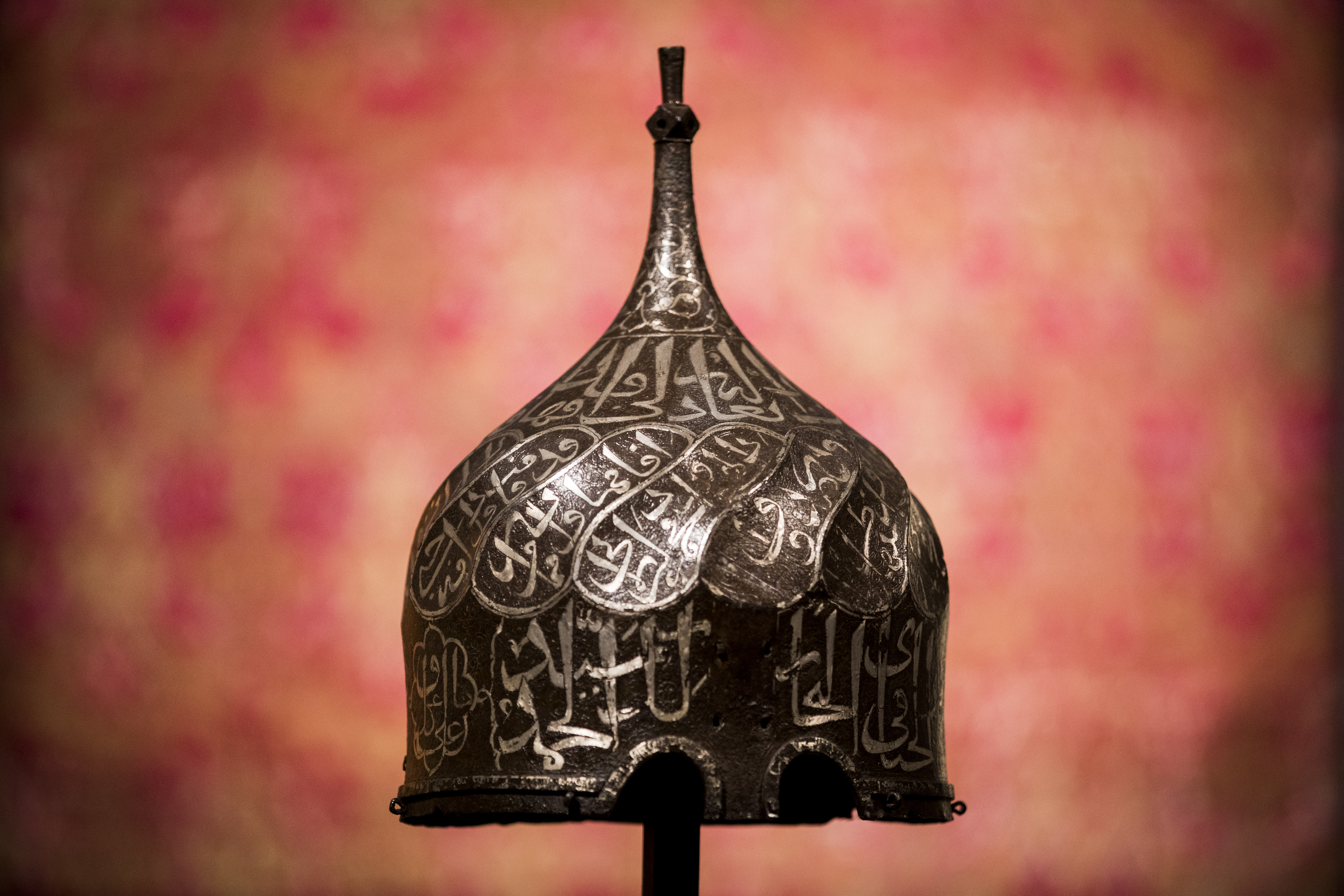
Highlights of the Islamic art sale include a silver-inlaid Aqqoyunlu turban helmet, Turkey or Persia, second half of the 15th century (est. 400,000 to 600,000 pounds); an Ottoman tombak chamfron, or horse’s head defence, Turkey, 17th century (est. 100,000 to 150,000 pounds); a Qur’an leaf in eastern Kufic script, Persia, 11th or 12th century (est. 200,000 to 300,000 pounds); and an early Iznik blue and white calligraphic hanging ornament, Turkey, circa 1480 (est. 200,000 to 300,000 pounds).
The watches collection was bequeathed to Vera by her father, Sir David Lionel Salomons (1851 to 1925), who assembled the greatest collection of Abraham-Louis Breguet timepieces in private hands. In 1917 he acquired the “ Marie-Antoinette”, which remains a star of the museum’s permanent exhibition. All of the lots in the sale were made by Breguet during his most active period, from 1790 until his death in 1823.
The star lot is the Prince Regent’s Resonance Watch, the Breguet No. 2788 bought in 1818 by the future King George IV for 350 pounds, then one of the most expensive watches Breguet had sold (est. 400,000 to 600,000 pounds). It was the first watch to apply the principle of resonance to its movement, with two independent mechanisms beating in opposition; only three such “double watches” are known. In July 2020 George III’s gold four-minute tourbillon by Breguet sold for a record 2 million dollars at Sotheby’s in London.
Further highlights include the Duc de Praslin’s “ Perpétuelle”, Breguet no. 148, a self-winding watch sold in 1792 (est. 250,000 to 350,000 pounds), and Princess Caroline Murat’s thermometer watch, Breguet No. 1806, sold in 1807 to Napoleon’s sister (est. 200,000 to 300,000 pounds). In 1983 more than 100 watches from the museum, including the “ Marie-Antoinette” and 55 other Breguet pieces, were stolen in the largest burglary in the history of horology; they resurfaced in 2008 and were returned to the museum.
(Press Release)