

Every figure on the show comes from 13M+ cleared auction results — searchable, USD-normalized, updated daily.
Get Started →
ALT/FNDATA Membership unlocks every market report and the self-serve dashboards. For teams, book a walkthrough with our data desk.
Player shows the Closing Price feed. Open the episode for this date on your platform of choice.
The data read on luxury and collectibles, for systematic investors. Today's signal: a sharp divergence. The broad US market rallied on progress in the US and Iran peace talks, but the listed luxury names fell hard, with Hermès down almost 6 percent and LVMH off more than 3 percent. The driver was macro, a dollar at a one-year high and higher yields, not demand. Underneath those brands, our auction data still shows top-end demand at its highs.
Good evening. It's Monday, June 22. I'm Sharon, and this is Closing Price from ALT/FNDATA, the data read on luxury and collectibles.
This episode of Closing Price is brought to you by ALT/FNDATA, the market intelligence platform for insights on the luxury markets and related public equities. With our data sandbox, you can work directly with the dashboards and datasets behind today's signals to keep your finger on the pulse of the market and drive your competitive advantage. Book a demo at altfndata.com/book.
Today gave us a clean contradiction, and that contradiction is the signal. The broad market rallied, with US stocks jumping after weekend progress in the US and Iran peace talks eased fears of a wider war. But investors sold the luxury houses anyway. The European luxury basket fell hard, led lower by Hermès and LVMH, on a day when almost every other risk asset rose. And here is the key. Those stocks did not fall because people stopped buying luxury. They fell on the macro backdrop: a dollar at a one-year high and rising bond yields, forces that bear directly on richly valued exporters such as the luxury houses, regardless of how well the underlying businesses are performing. For how the goods are actually selling, look at the auction market, where we have the data, and demand at the top is still at its highs. So today opened a gap: the luxury companies' share prices fell, but the prices their customers actually pay did not. That gap is the story.
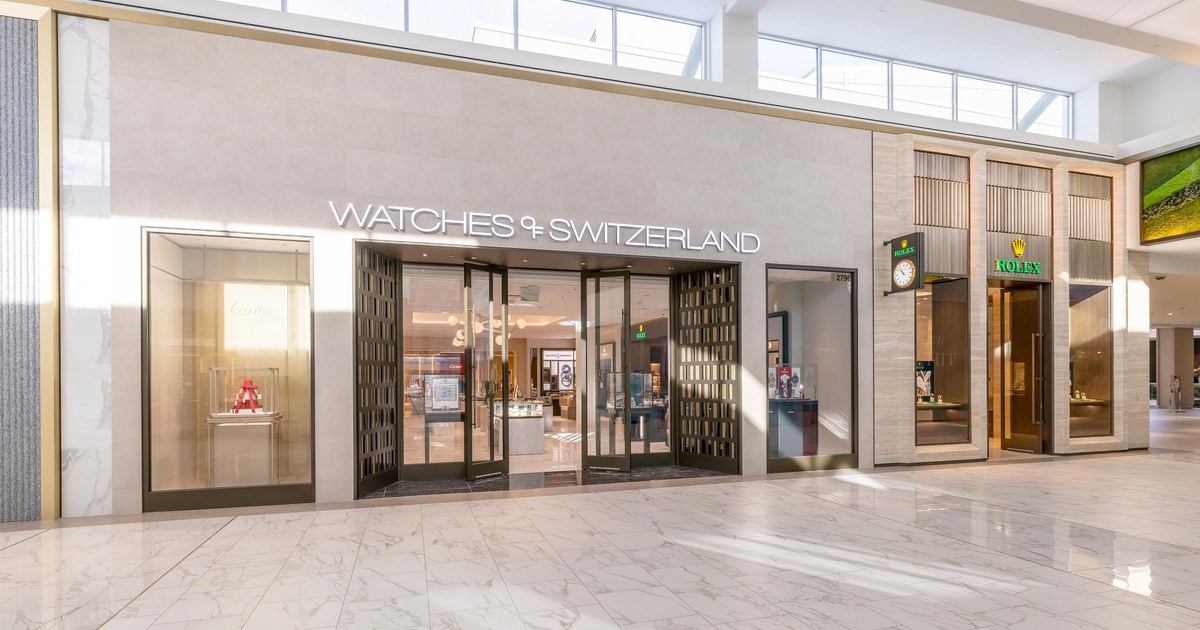
On the listed side, the move was striking. In Europe, Hermès closed down about 5.9 percent, LVMH off 3.6 percent, Burberry off 3.9 percent, and Kering off 2.2 percent, with the Italian cashmere maker Brunello Cucinelli the weakest, down nearly 7 percent. The watch names held up far better, with Swatch off about 1 percent and Watches of Switzerland down only half a percent. The cause was the day's macro news. The weekend's diplomatic progress sent investors back into risk assets, but it carried an inflationary sting. According to Bloomberg, fresh threats from President Trump against Iran stoked inflation fears, lifting bond yields, with the US ten-year back around 4.5 percent, and driving the dollar to a one-year high. Higher rates and a stronger dollar are precisely the forces that weigh on an expensive, slow-growth exporter, and the European luxury houses are the textbook case. Britain added a further complication, with the pound near a 2026 low as Prime Minister Starmer was reported to be weighing his future, though for global luxury this remained a sideshow to the rates-and-dollar move. The clearest sign that this was a macro story rather than a demand story was the contrast with the American names: the more accessible US-listed brands actually rose, with Tapestry up 2.3 percent and Movado up 5.4 percent, even as the European megacaps fell.
Now flip the screen, from the trading floor to the saleroom, the auction market underneath those brands, where our data has its real edge. Here the signal runs the other way. The single biggest auction result in our database over the past 90 days, across every category we track, is a 17.4 million dollar coloured diamond sold at Christie's. And the most recent watch cycle set fresh records, including a Phillips New York sale that was the highest-grossing watch auction in US history, at 75.8 million dollars. That is not the profile of a demand problem. Whether that strength is holding more broadly is exactly what our secondary-market index measures, mapping resale prices across the major houses onto the listed names.
So the setup is a clean divergence between price and demand: the equities marked down today on the dollar and rates, the resale data holding at its highs. The read is straightforward. Today's selloff in the listed names was about the discount rate and the currency, not the business, and the auction data says end-demand has not cracked. That leaves the one question our data is built to answer: does resale demand lead the listed cycle, or lag it? Resale prices are what end-buyers actually pay, so they can reveal the brands' pricing power before it reaches the income statement. If resale leads, a day like today is an opportunity; if it lags, a warning. Either way, the signal lives in the gap.
For the data behind today's signals, the ALT/FNDATA data sandbox gives you hands-on access to our market dashboards and proprietary datasets, so you can test the divergence yourself. Book a demo at altfndata.com/book, or reach us anytime at info@altfndata.com.
That's Closing Price for Monday, June 22. We're back tomorrow. I'm Sharon, from ALT/FNDATA.
(ALT/FNDATA provides data and analysis, not investment advice.)