

Every figure on the show comes from 13M+ cleared auction results — searchable, USD-normalized, updated daily.
Get Started →
ALT/FNDATA Membership unlocks every market report and the self-serve dashboards. For teams, book a walkthrough with our data desk.
Player shows the Closing Price feed. Open the episode for this date on your platform of choice.
The data read on luxury and collectibles, for systematic investors. Today's signal: agreement. For the first time in a while, both sides of the divergence moved the same way, and that way was up. The listed luxury names did not merely steady after Monday's stumble, they rallied hard, and they did it even as Wall Street was heavy. At the same time the industry itself signalled strength: Chanel paid to buy the 188-year-old Parisian shirtmaker Charvet, and the collectibles market set a record for the most expensive bottle of tequila ever sold at auction. All quarter the equity market has marked luxury down while the saleroom set records. Today the stocks narrowed that gap from the side that had been lagging.
Good evening. It's Thursday, July 2. I'm Sharon, and this is Closing Price from ALT/FNDATA, where we read the day through the lens of the luxury and collectibles markets and the public companies behind them.
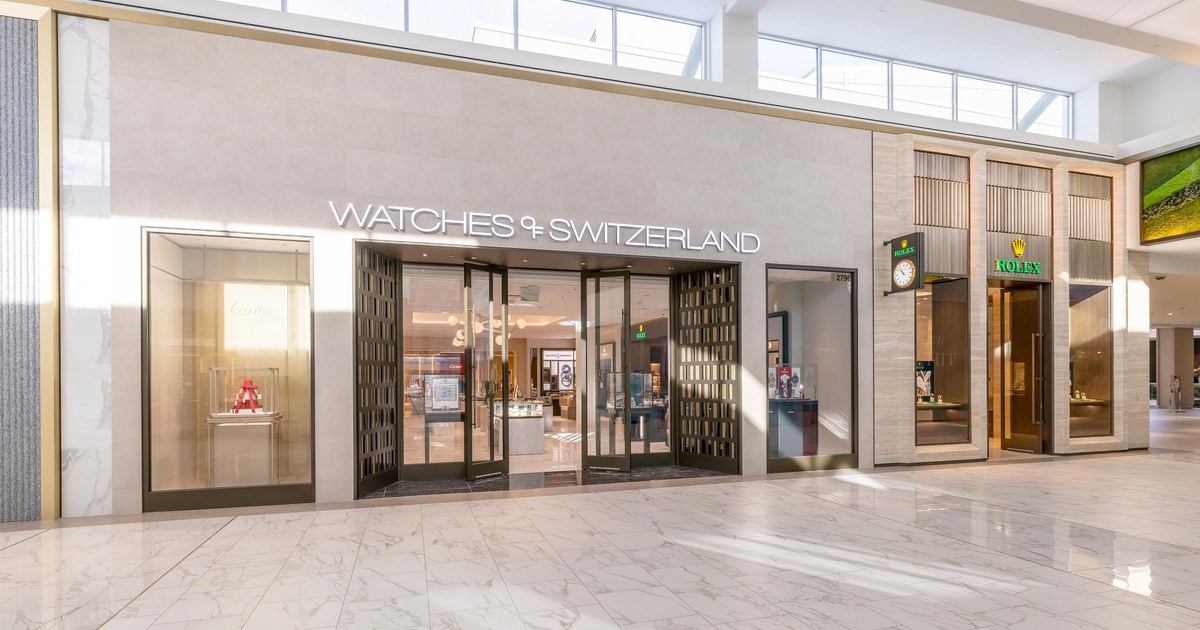
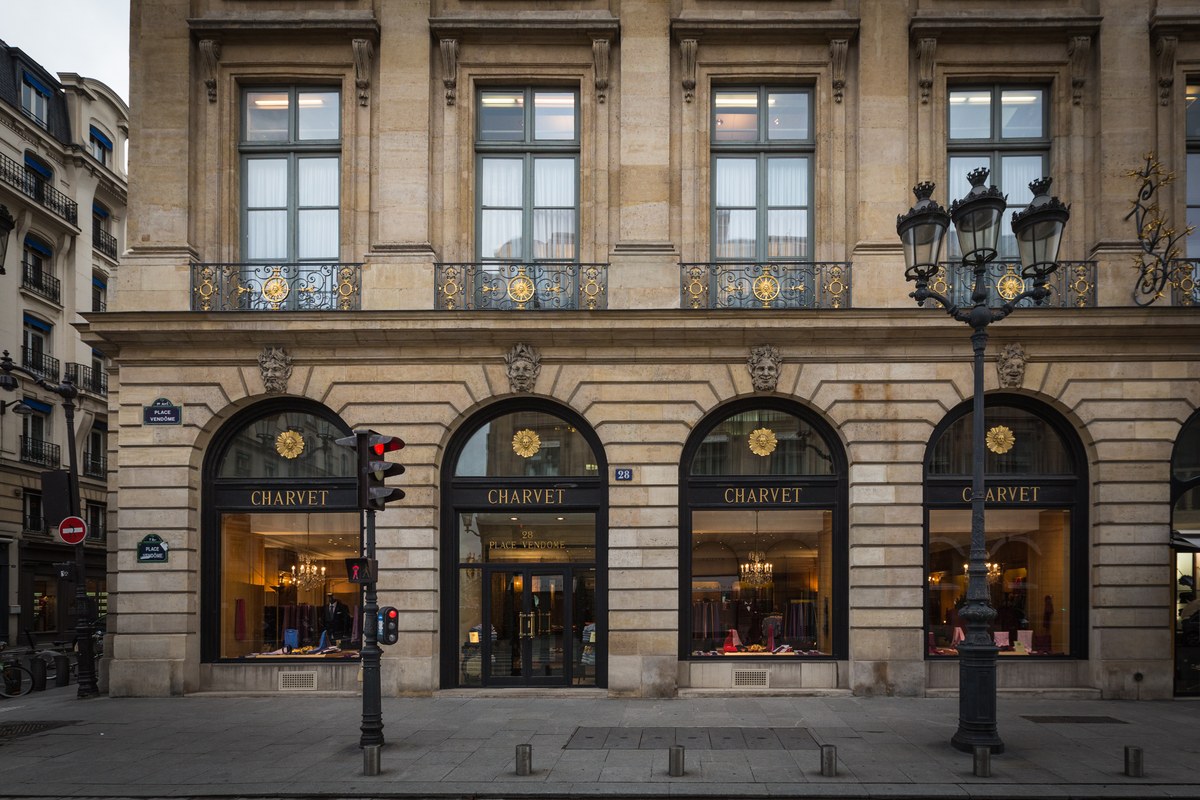
Here is the signal for today, and it is a rare one. For once, the two sides of the divergence we track pointed the same way, and that way was up. After Monday's stumble, the listed luxury names did not merely steady, they rallied hard. In Europe, LVMH, Hermès and Kering each closed up more than three percent, and Watches of Switzerland jumped almost four. And it was not only the stock market saying so. The luxury industry itself sent the same message today. Chanel agreed to buy Charvet, a 188-year-old Parisian shirtmaker, paying to own a piece of craftsmanship it could never recreate, and in the auction room the collectibles market set another record, this time for the most expensive bottle of tequila ever sold. For months, the pattern has run the other way, with the share prices falling while the auctions and the private deals stayed strong. Today, for the first time in a while, the two moved together, and both moved up. The one caution is that a single good day does not undo a weak quarter, so the real question is whether this is the start of a genuine turn or simply a one-day bounce.
This episode is brought to you by ALT/FNDATA, the market intelligence platform for the luxury markets and related public equities. Unlock dashboards, reports and proprietary data with a membership at altfndata.com/membership.
European luxury first, and it was a broad, powerful move. LVMH closed up three and a half percent, Hermès up three and a quarter, and Kering up nearly three. Watches of Switzerland led the whole complex, up almost four percent as its bounce off Monday extended into a second day. Burberry and Brunello Cucinelli each added around three-quarters of a percent, Richemont finished essentially flat, and Swatch was the lone decliner, off about a percent and a half.
The US-listed names were more mixed. Capri Holdings rose a little over two percent and Estée Lauder added one and a half, but Ralph Lauren was flat, Tapestry slipped a percent and a half, and Movado fell more than four. So the conviction was concentrated in the European majors rather than spread evenly across the board.
And here is what makes today genuinely notable. That European luxury rally happened even as Wall Street was heavy. The Nasdaq closed down eight-tenths of a percent, and the S&P 500 finished flat. Gold pushed to another record, up more than one and a half percent to around four thousand one hundred and forty dollars an ounce, the dollar eased about half a percent, and the ten-year Treasury yield ticked up toward four and a half percent. In other words, luxury did not rally because the broad market carried it higher. It rallied on its own.
Now the part the tape doesn't show, and why these two moves matter beyond the headlines. Chanel did not buy Charvet for growth; it bought it to control something scarce and hand-made that it could not build from scratch. When a house that size pays up to secure a small heritage workshop, it is telling you the rare, hand-made end of luxury is worth more to it now, not less, even while the mass market cools. The record tequila makes the same point from the buyer's side of the room. A single bottle of Clase Azul, first sold for two hundred and fifty dollars, just fetched thirty-five thousand at auction, and it joins a long and growing list of results, from Christie's seven Old Masters records last week to Sotheby's four-hundred-and-twenty-million-pound London season. Together they say that genuine scarcity is still drawing serious money, across categories most investors never think to touch.
So for the first time in a while, the gap between the two closed, and today it was the stocks that closed it. All quarter, the equity market has treated luxury as a slowing consumer business and marked the shares down, while the people who actually make and buy these goods did the opposite, buying up the workshops and paying record prices at auction. Today the share prices moved toward what those buyers have been saying, instead of away from it. The test from here is simple. If this is the market finally catching up to that demand, the records and the deals should keep coming and the stocks should keep rising with them. If it is only a one-day bounce, the weakness returns and the gap reopens. Either way, the demand has been real all along, and today, for one session, the share prices finally agreed with it.
That's it on Closing Price for today, Thursday, July 2.
I'm Sharon, from ALT/FNDATA.
Subscribe for notifications, and if you love this episode please give us a five star rating on Spotify and Apple Podcasts.
I'll talk to you in the next episode. Thank you for listening.